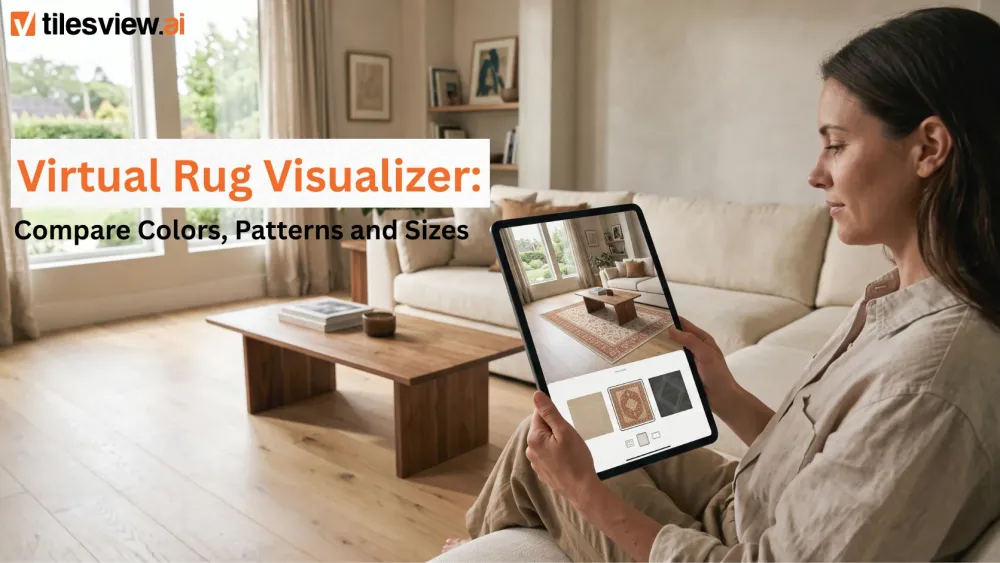
Oct 10, 2026
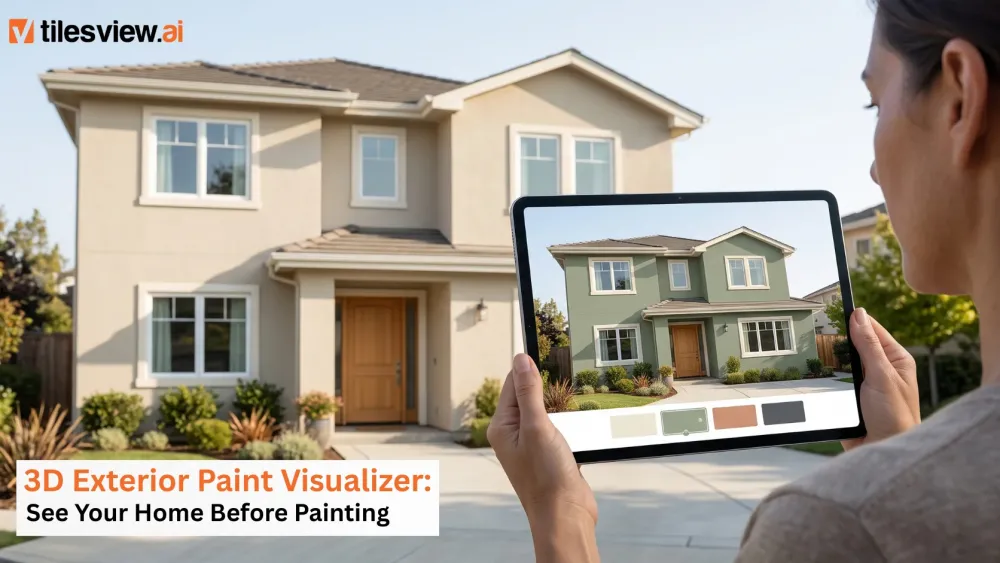
Oct 10, 2026
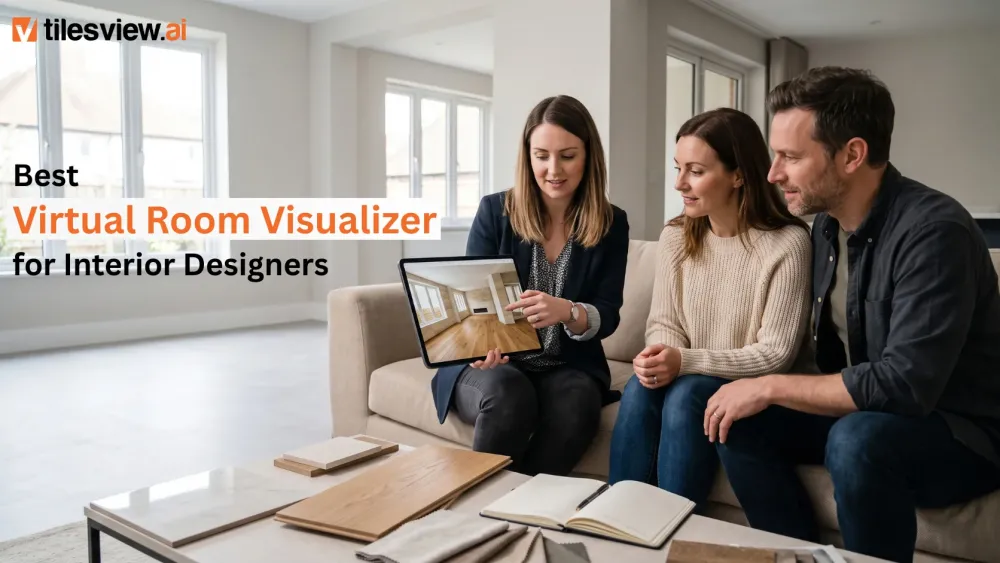
Oct 09, 2026
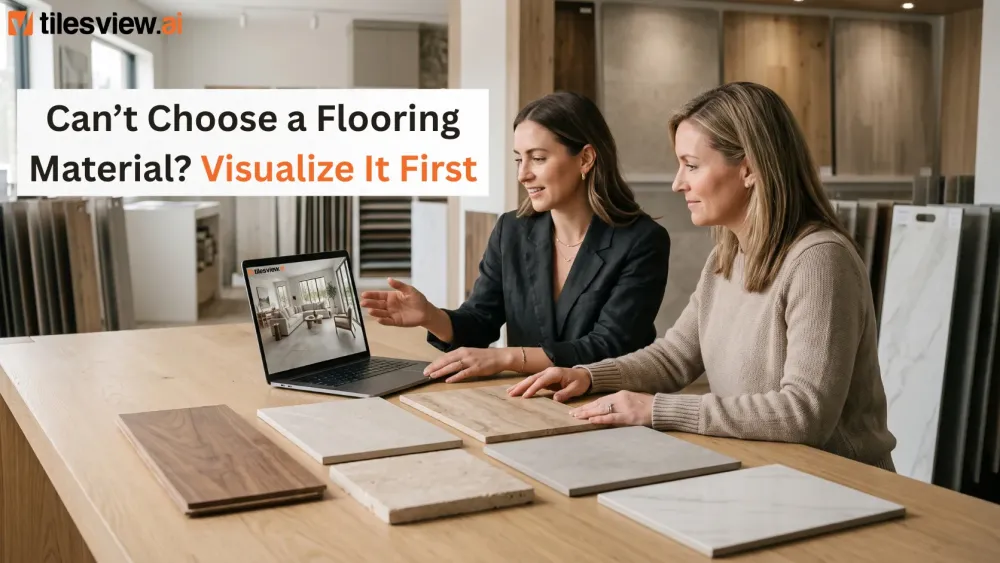
Oct 09, 2026
Sep 16, 2026
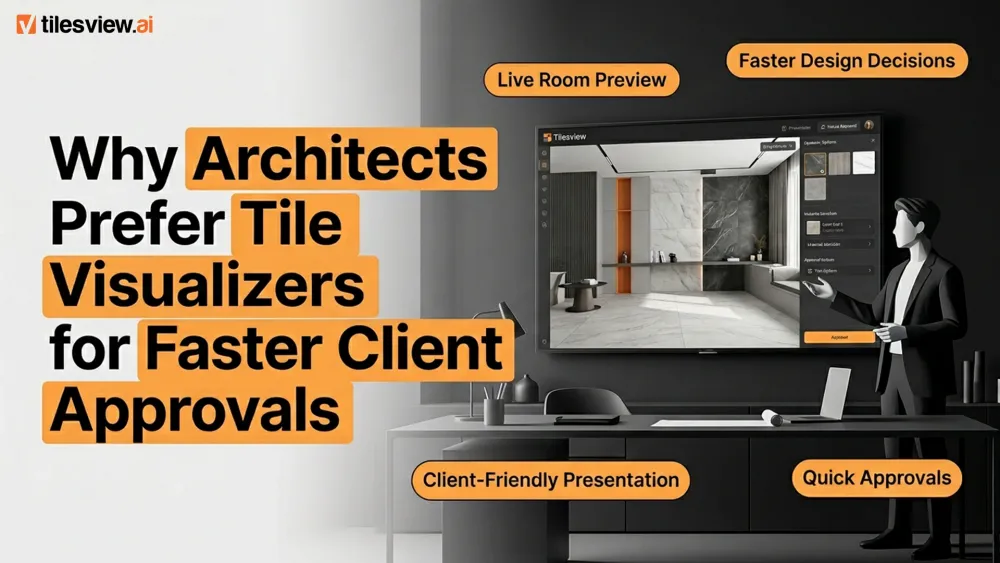
Architecture and interior design have always relied on visualization.
Before a single tile is installed, architects must imagine how materials, textures, lighting, scale, and layout will work together inside a space. But traditional tile selection methods often slow down this process.
Reviewing catalogs, ordering samples, creating mood boards, and presenting multiple design options can consume valuable project time.
Today, AI tile visualizers are changing that workflow completely.
Instead of relying only on imagination or physical samples, architects can now preview tile designs instantly in realistic spaces using AI-powered visualization technology. The result is faster decision-making, smoother client approvals, and more efficient project execution.
For modern architecture firms and interior designers, AI visualization is quickly becoming an essential design tool.
Tile selection is rarely simple.
Architects must consider multiple variables simultaneously:
Room dimensions
Natural and artificial lighting
Surface textures
Color harmony
Tile size and patternInterior
style compatibility
Client preferences
Budget limitations
Traditionally, this process involved multiple rounds of revisions and physical product evaluations. Even after reviewing samples, clients often struggled to visualize the final result in their own space. This uncertainty can delay approvals, increase revisions, and slow down the overall design timeline.
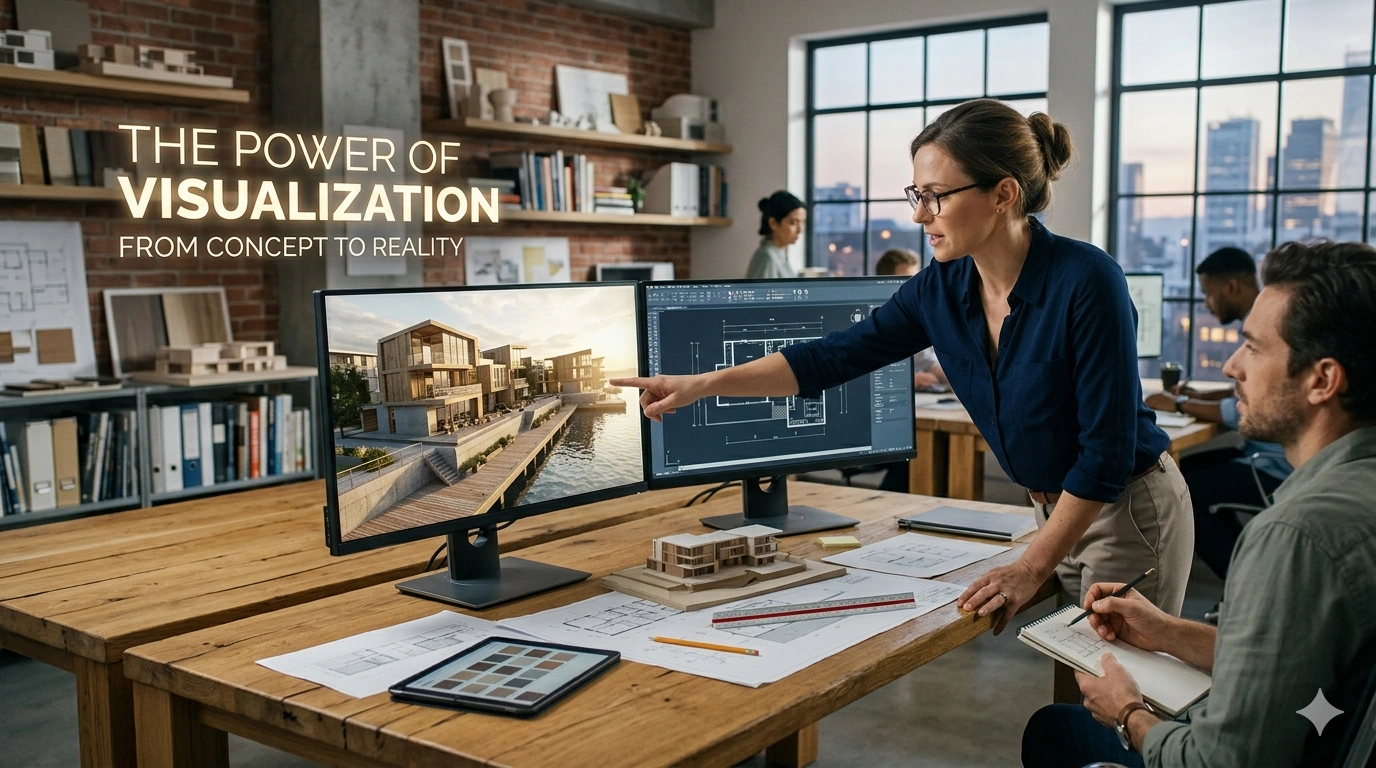
Tiles are highly visual materials.
A tile that looks perfect in a showroom or catalog may feel completely different once applied across a large surface.
Architects need to evaluate:
How large-format tiles impact spatial perception
Whether matte or glossy finishes suit the lighting
How grout lines affect the overall aesthetic
How patterns align with furniture and wall elements
Whether a surface creates the intended atmosphere
AI tile visualizers simplify this evaluation process by allowing architects to see realistic design outcomes before installation begins.
AI-powered tile visualization tools help architects move from concept to decision much faster.
Instead of manually imagining combinations, they can instantly apply tile products to digital room environments or real project images.
This creates a more interactive and efficient design workflow.
Architects can:
Upload project room photos
Apply multiple tile designs instantly
Compare layouts side-by-side
Test different colors, textures, and finishes
Present realistic visual options to clients
Finalize decisions faster
What once took days can now happen within minutes.
One of the biggest challenges architects face is client indecision.
Clients often struggle to understand technical drawings, mood boards, or material samples without seeing the complete picture.
AI visualization bridges that gap
Instead of explaining how a tile might look, architects can show clients realistic previews of finished spaces.
This improves communication and builds confidence.
When clients can visually experience the final design, approvals happen faster and with fewer revisions.
Design revisions can significantly impact timelines and budgets.
AI tile visualizers reduce this problem by helping architects validate decisions early in the process.
They can instantly test:
Different flooring directions
Wall and floor combinations
Contrasting texturesAccent tile placements
Large vs. small tile formats
This allows design teams to identify issues before construction begins.
The result is a more accurate, streamlined, and predictable project workflow.
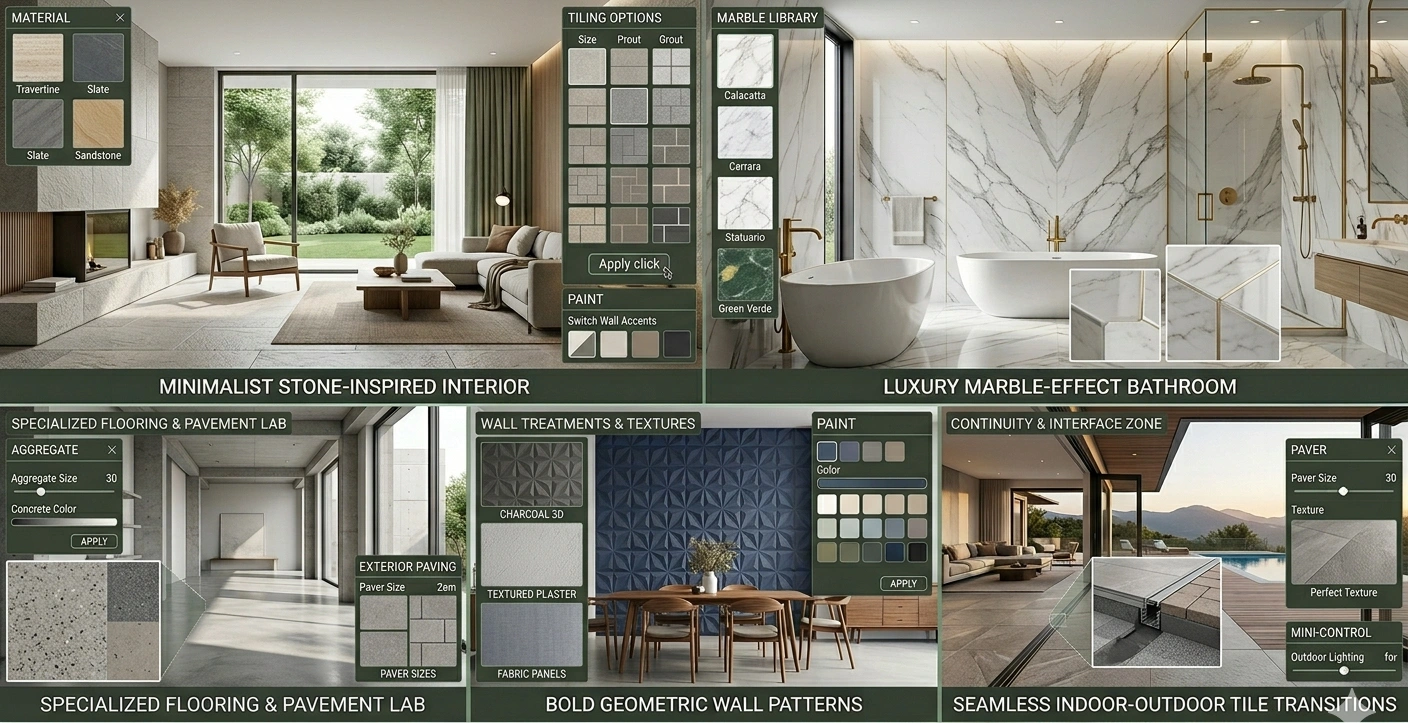
Traditional visualization methods often limit experimentation because creating mockups takes time.
AI changes this dynamic completely.
Architects can now explore more design concepts without increasing project complexity.
For example, they can quickly visualize:
Minimalist stone-inspired interiors
Luxury marble-effect bathrooms
Modern concrete-look flooring
Bold geometric wall patterns
Seamless indoor-outdoor tile transitions
This flexibility encourages creativity while maintaining efficiency.
Client expectations are evolving rapidly.
Today’s clients expect immersive and technology-driven design experiences.
Architecture firms that use AI visualization tools gain several advantages:
Improved Client Experience: Interactive presentations create stronger engagement.
Faster Decision-Making: Visualization reduces uncertainty and speeds up approvals.
Better Design Communication: Clients understand concepts more clearly.
Increased Project Efficiency: Less back-and-forth means faster workflows.
Stronger Competitive Positioning: Technology-driven firms appear more innovative and modern.
As digital transformation continues across the design industry, AI visualization is becoming a competitive necessity rather than an optional feature.
Modern architectural projects often involve remote collaboration between teams, clients, distributors, and suppliers across different locations.
AI tile visualizers simplify communication by creating a shared visual reference.
Architects can easily present tile options digitally without relying entirely on physical meetings or sample shipments.
This is especially valuable for:
International projects
Commercial developments
Real estate visualization
Remote client consultations
Fast-paced renovation projects
Visualization technology enables quicker alignment between all stakeholders.
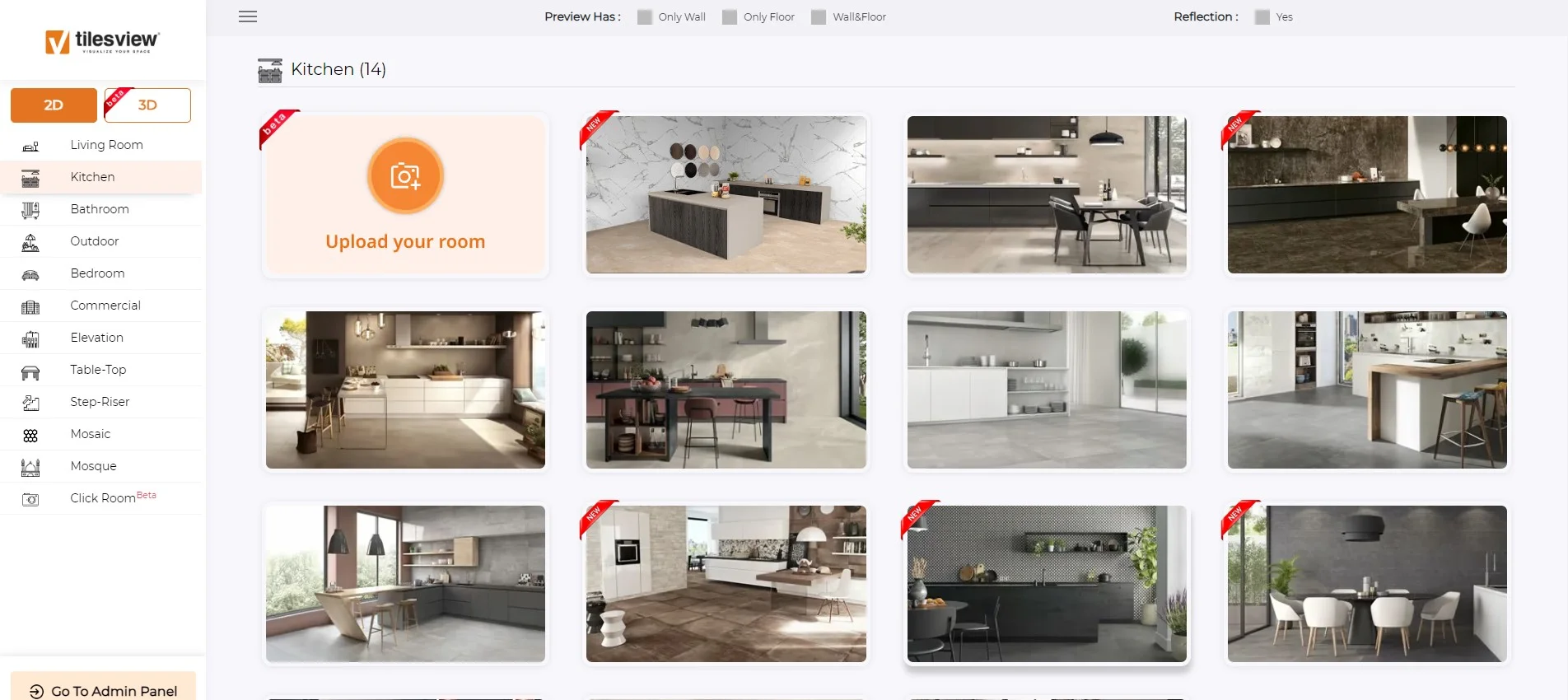
Platforms like Tilesview help architects and interior professionals simplify tile selection through AI-powered room visualization.
With Tilesview, architects can:
Upload real project images
Visualize tiles instantly in different spaces
Experiment with layouts and finishes
Create immersive client presentations
Speed up material approvals
Improve overall design confidence
Instead of static catalogs and complex mockups, architects gain an interactive visualization environment that supports faster and smarter design decisions.
Architecture is becoming increasingly digital.
As projects move faster and client expectations grow higher, visualization technology will continue shaping how design decisions are made.
AI tile visualizers are not replacing creativity - they are enhancing it.
They allow architects to:
Design with more confidence
Communicate ideas more effectively
Reduce uncertainty
Improve efficiency
Deliver better client experiences
The firms that embrace visualization technology today will lead the next generation of architectural design workflows.
Tilesview empowers architects, interior designers, and tile professionals with AI-powered visualization tools that simplify design selection and improve client confidence.
Transform your material presentation process with immersive tile visualization technology designed for modern architecture workflows.
Book a demo with Tilesview and accelerate design decisions with AI-powered visualization.

Anand Bhoraniya is a technology entrepreneur and visualization innovator at Tilesview, specializing in AI-powered room visualization software for tile, flooring, paint, and wall covering brands. He regularly shares insights on AI visualization trends, virtual showroom experiences, personalized design technology, warm minimalist interiors, and photorealistic room design solutions.
Get the latest insights on room visualizer, interior design trends, and product updates delivered to your inbox.
No spam. Unsubscribe anytime.